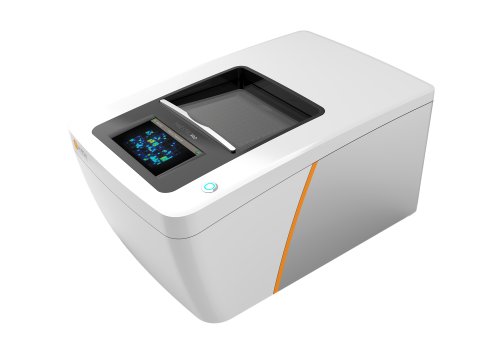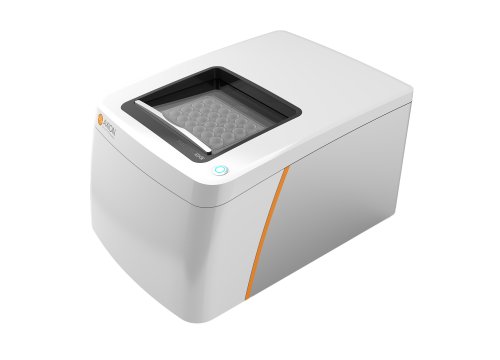
Measure virus-induced cytopathic effects (CPE) with continuous, label-free impedance monitoring. The Maestro Z family of live-cell analysis systems tracks the same living cells throughout an experiment, revealing when CPE begins, how rapidly it develops, and how the response changes across viral concentrations.
Monitor the Full Time Course of Viral Cell Killing
COVID-19 is an infectious disease caused by the severe acute respiratory syndrome coronavirus 2, SARS-CoV-2. While early symptoms may present as relatively mild, they can develop into acute respiratory distress syndrome (ARDS) as the virus damages and disrupts healthy lung tissue. Axion BioSystems' Maestro impedance platform makes it quick and easy to monitor the full time course of viral cell killing.
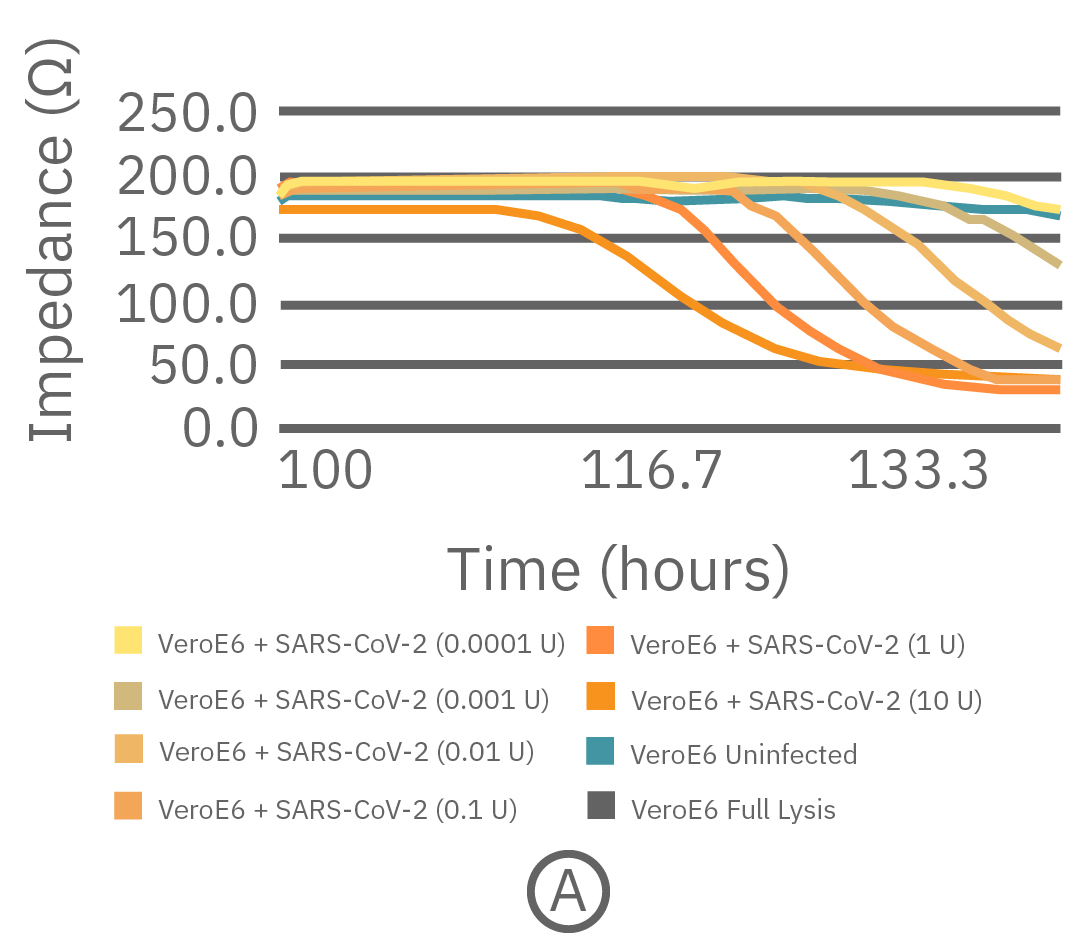
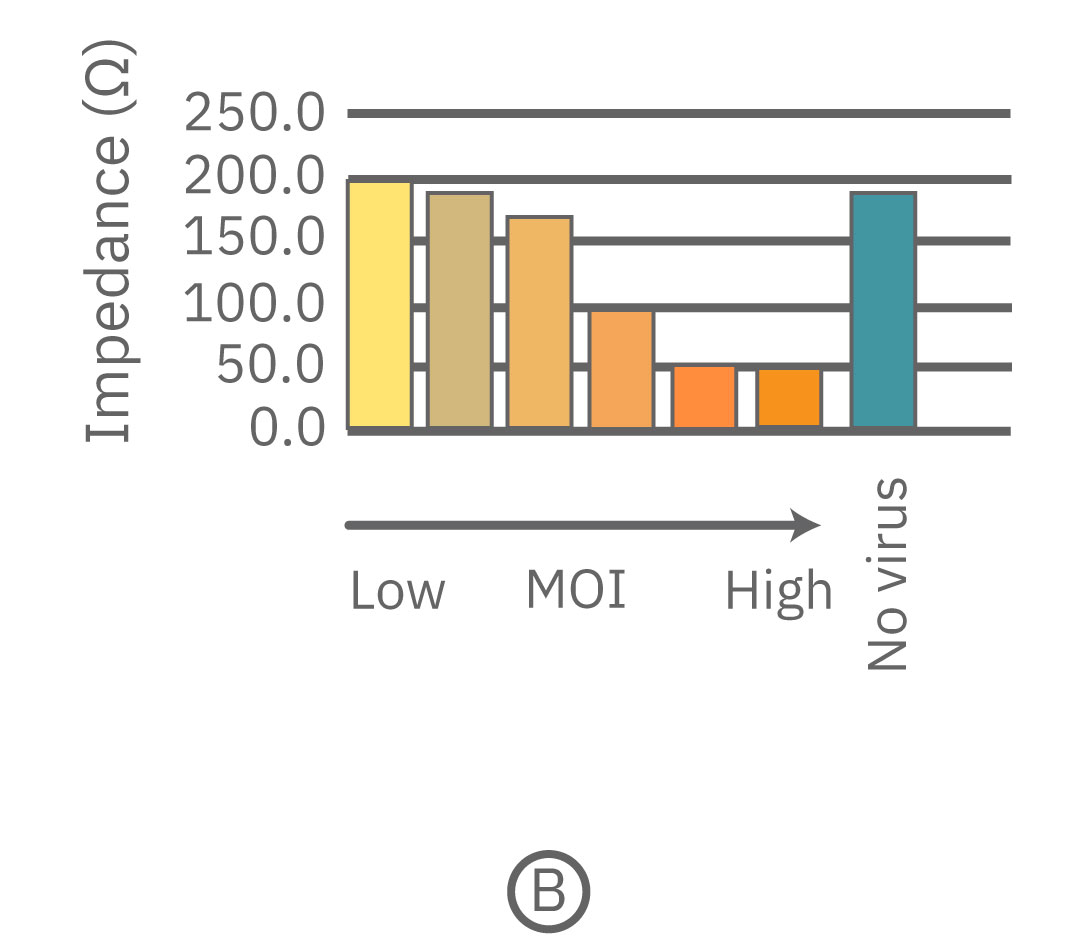
Vero E6 cells were seeded into the CytoView-Z 96-well plate and impedance was continuously monitored on the Maestro Z system. After 96 hours, different concentrations of SARS-CoV-2 virus were added to determine the lowest multiplicity of infection (MOI) that elicits cell death. (A) The full time course of cell death in response to varying amounts of SARS-CoV-2. (B) Bar graph of impedance at 130 hour timepoint (34 hours after treatment). The addition of the virus resulted in increased cell death in infected cells that correlated with increasing virus concentrations. Uninfected wells continued to show high impedance values, which indicates high cell viability. Data courtesy of Drs. Alex Jureka and Chris Basler at Georgia State University.
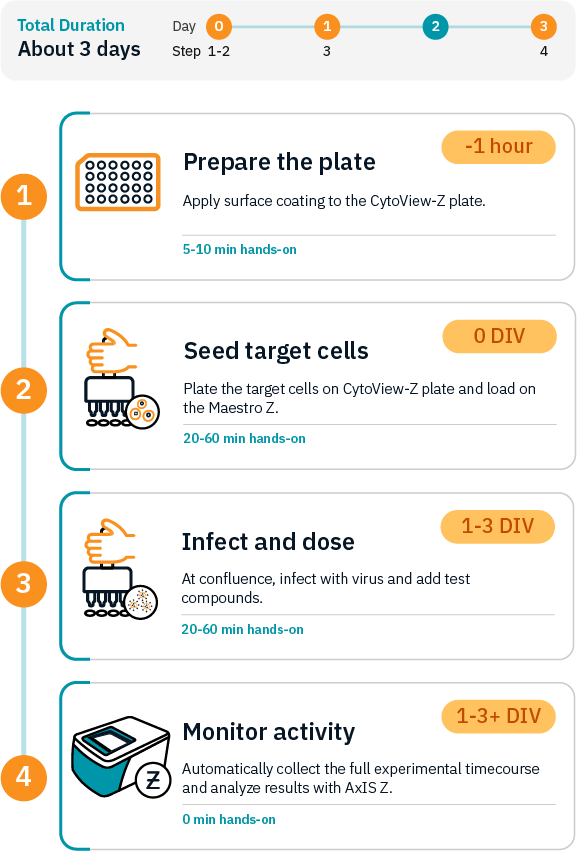
Getting started with Maestro Z, ZHT, Pro, and Edge couldn't be easier. Culture your cells in an Axion multiwell CytoView-Z plate (Day 0). Load this plate into the Maestro system and allow the environmental chamber to automatically equilibrate. Observe cells adhering to the plate and proliferating as changes in the recorded impedance signal (Hour 0 to 24-96). Add virus and antivirals, and track cytopathic effects (CPE) label free and in real time with the Impedance Module software.
Once a viral infection model and CPE response are established, the same kinetic approach can be used to evaluate treatment effects. Explore how Maestro Z supports antiviral drug studies and kinetic CPE assays.
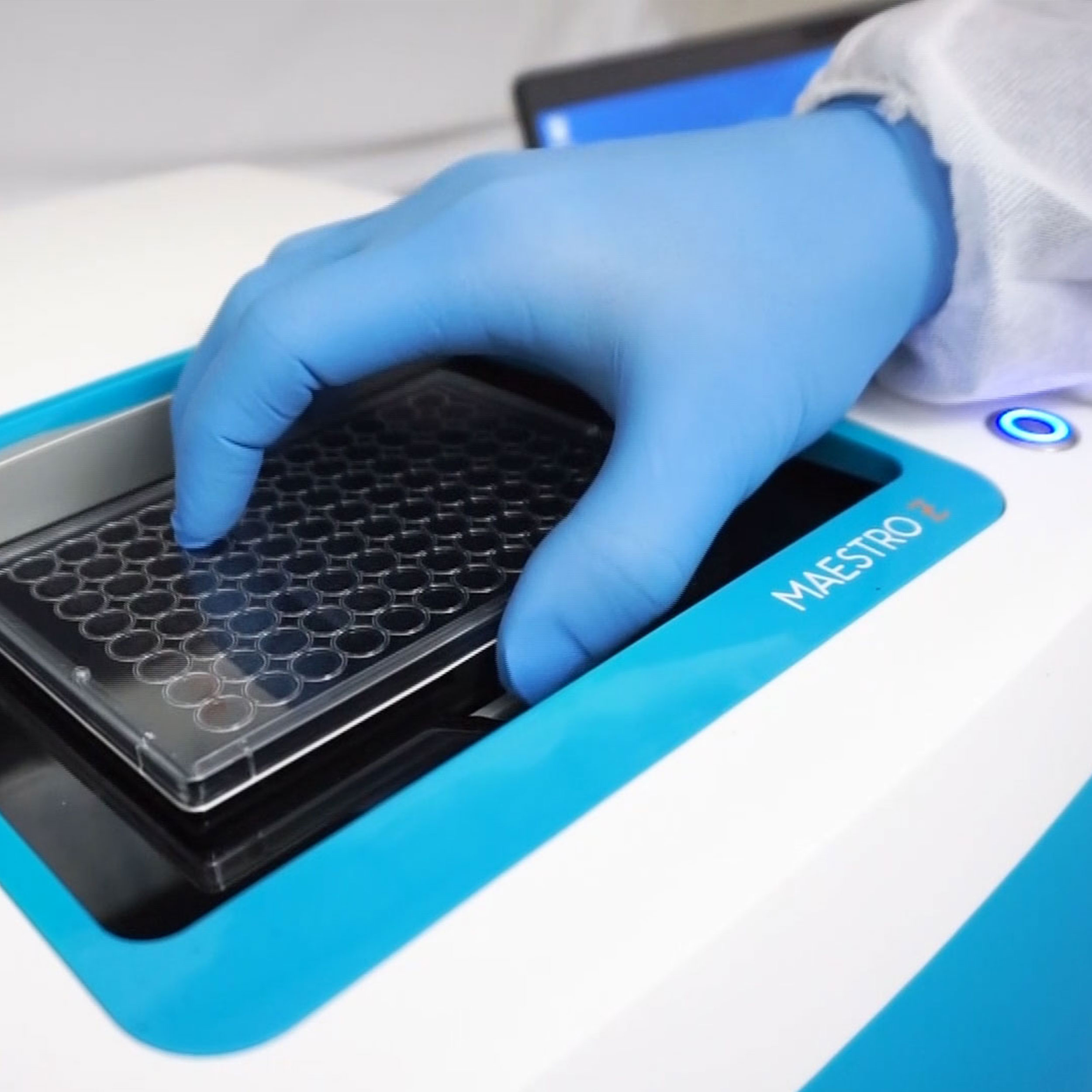
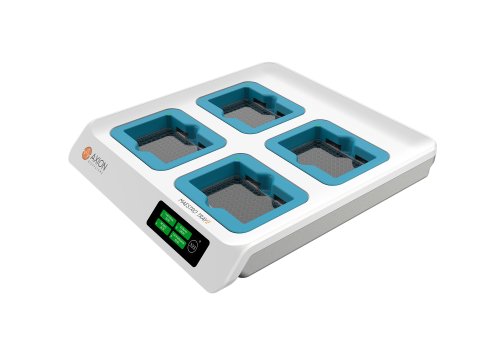
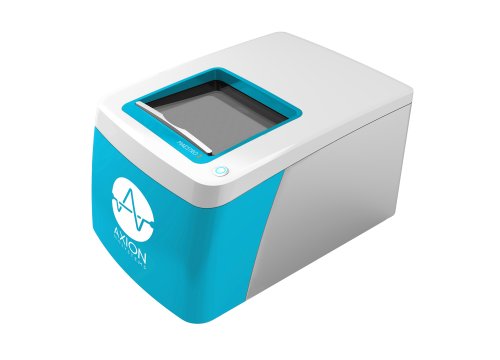
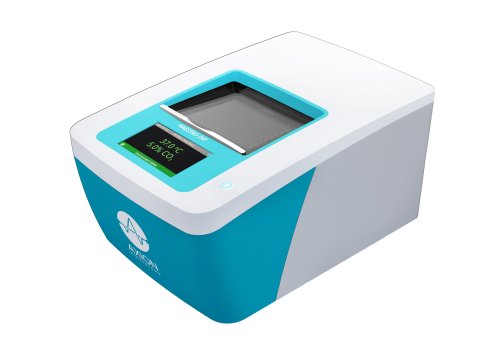
Explore the Maestro Z family
Choose an impedance platform for viral CPE studies, from focused assay development to higher-throughput screening.
Frequently asked questions about impedance anti-viral drug assays
Maestro Z uses impedance-based live-cell analysis to continuously monitor virus-induced cytopathic effects. By tracking the same cells throughout an experiment, researchers can observe when CPE begins, how rapidly it develops, and how the response changes across different viral concentrations.
Yes. Researchers can expose cells to a range of viral concentrations or multiplicities of infection (MOIs) and continuously monitor how each condition affects the cell layer. This makes it possible to compare the onset, rate, and magnitude of virus-induced CPE.
Impedance reflects changes in cell attachment, morphology, and viability. As virus-induced CPE develops, changes in the cell layer alter the measured impedance signal, providing a continuous view of infection-driven cellular damage.
A single endpoint shows the condition of the cells at one selected timepoint. Continuous monitoring captures the full response over time, helping researchers determine when CPE begins, how quickly it progresses, and when different viral concentrations begin to separate.
No. Maestro Z measures impedance continuously without labels or dyes, allowing the same living cell population to be monitored throughout the experiment.
Yes. Plates can remain in the system while impedance is measured continuously, reducing the need to repeatedly move plates between instruments during the experiment.
Maestro Z can be used with adherent cell models that produce measurable changes in impedance during infection. Appropriate cell models depend on the virus and experimental objective.
Yes. The Maestro Z family includes configurations designed for different throughput needs, including systems that support multi-plate workflows for larger viral screening studies.
Compatible Maestro Z software options support standardized workflows, controlled data management, and reproducible analysis. GxP-oriented software capabilities are available for organizations working within regulated research environments.