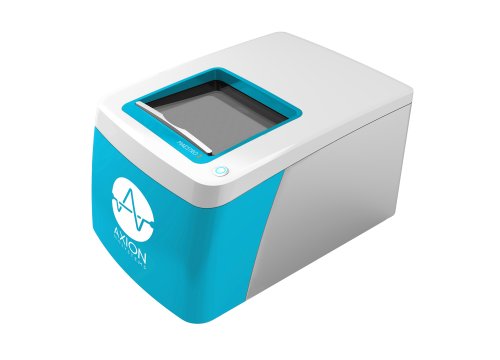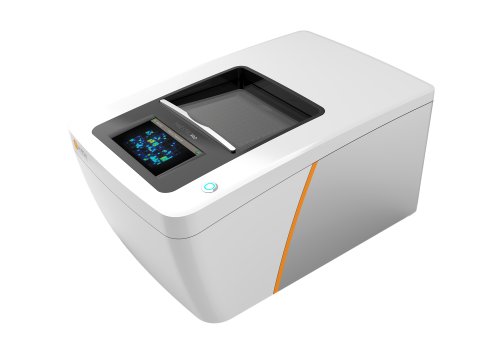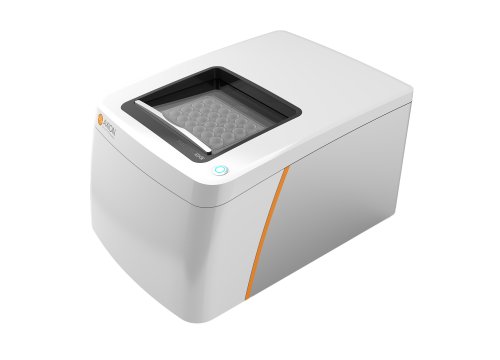
Evaluate antiviral treatment efficacy in vitro with continuous, label-free monitoring of virus-induced cytopathic effects (CPE). Maestro Z is an impedance-based live-cell analysis system that continuously tracks the same cells throughout an experiment, revealing when cellular damage begins, how rapidly it progresses, and whether a treatment prevents, delays, or reduces CPE.
By capturing the full response over time, Maestro Z adds kinetic insight beyond a single endpoint and helps researchers characterize antiviral treatment responses in cell-based assays.
Track antiviral efficacy and cytopathic effects in real time
-
Measure concentration-dependent antiviral protection>
-
Screen antiviral candidates using kinetic CPE assays>
-
A simple workflow for continuous CPE monitoring>
Continuous impedance measurements captured the protective effect of remdesivir against SARS-CoV-2-induced CPE. Increasing concentrations preserved the Vero E6 cell monolayer, enabling researchers to evaluate both the magnitude and timing of antiviral protection. Kinetic data can distinguish complete protection, partial protection, and delayed CPE that may appear similar at a single endpoint.
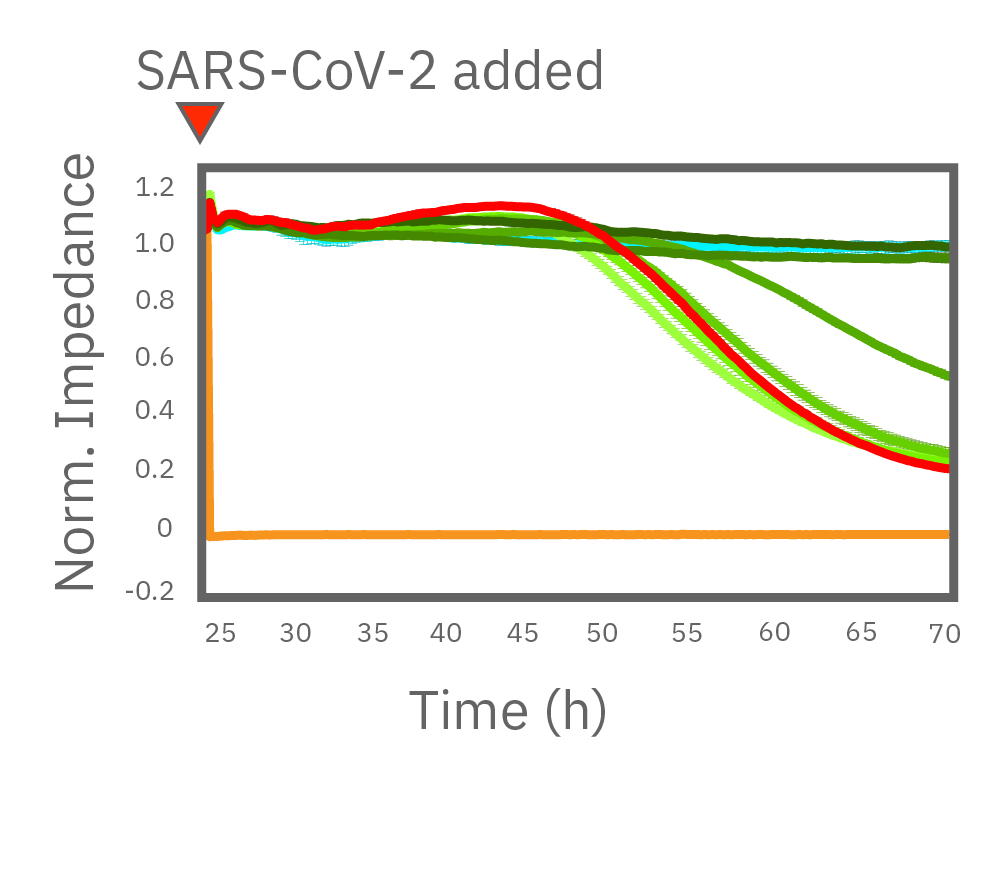
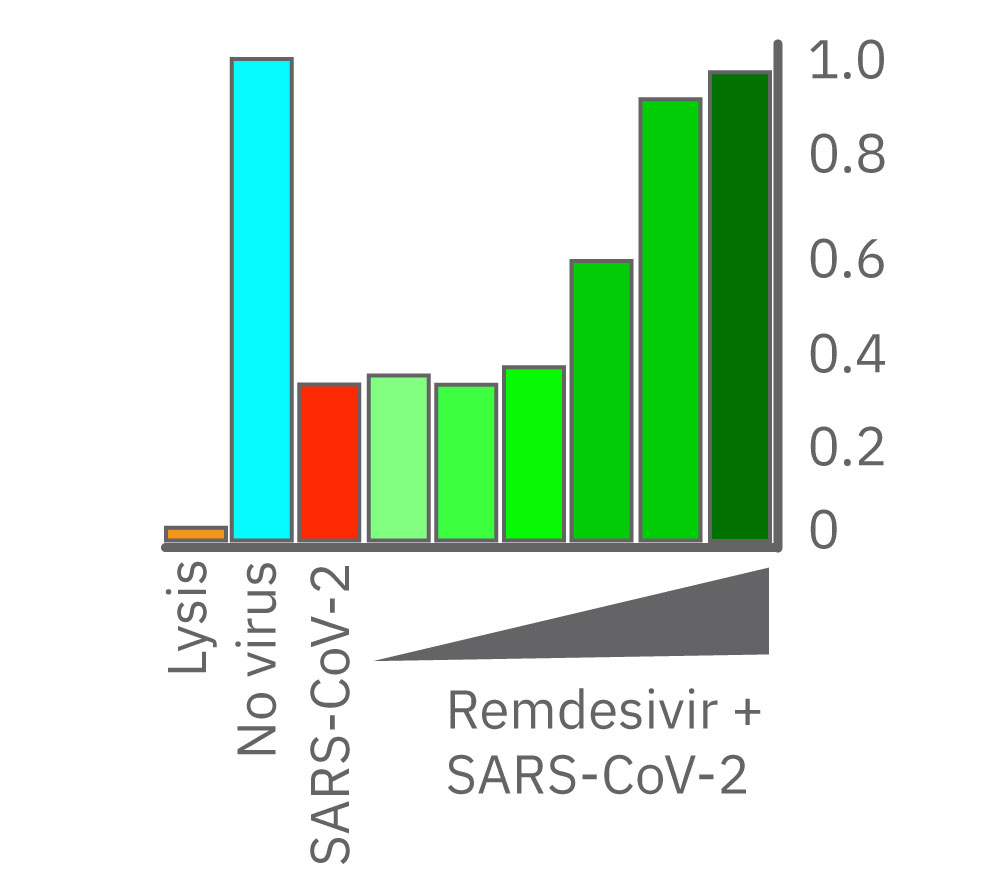
After 24 hours growth, Vero E6 cell death was inhibited starting at 1.38 µM remdesivir. At 8.33 and 50.0 µM, remdesivir completely prevented cell death from SARS-CoV-2 as compared to uninfected cells (teal). Data courtesy of Drs. Alex Jureka and Chris Basler at Georgia State University.
See the antiviral assay in action
Explore the SARS-CoV-2 data in more detail and learn how real-time impedance was used to monitor cytopathic effects and antiviral response.
Continuous impedance monitoring provides a real-time measure of virus-induced cytopathic effects. In this SARS-CoV-2 study, Vero E6 cells were monitored before and after viral infection and treatment with candidate compounds. Differences in impedance revealed concentration-dependent protection from CPE while also identifying concentrations associated with compound toxicity.
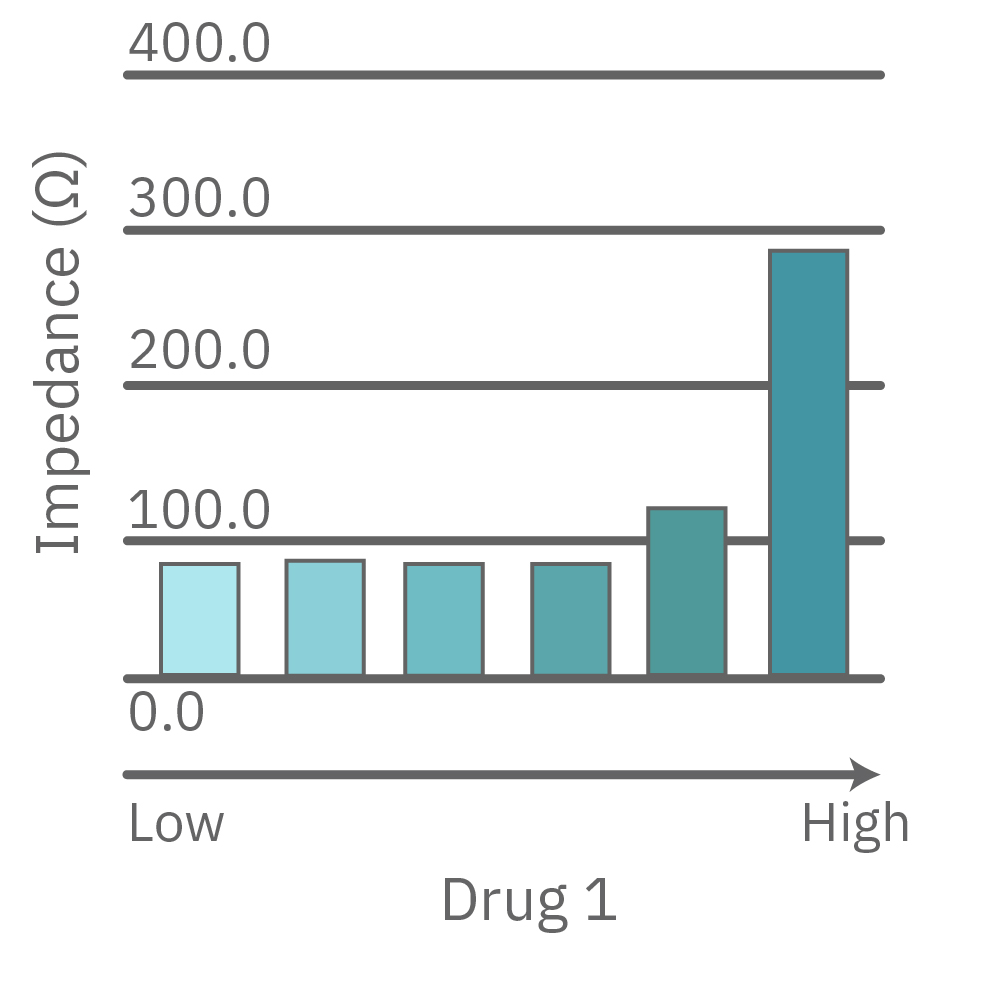
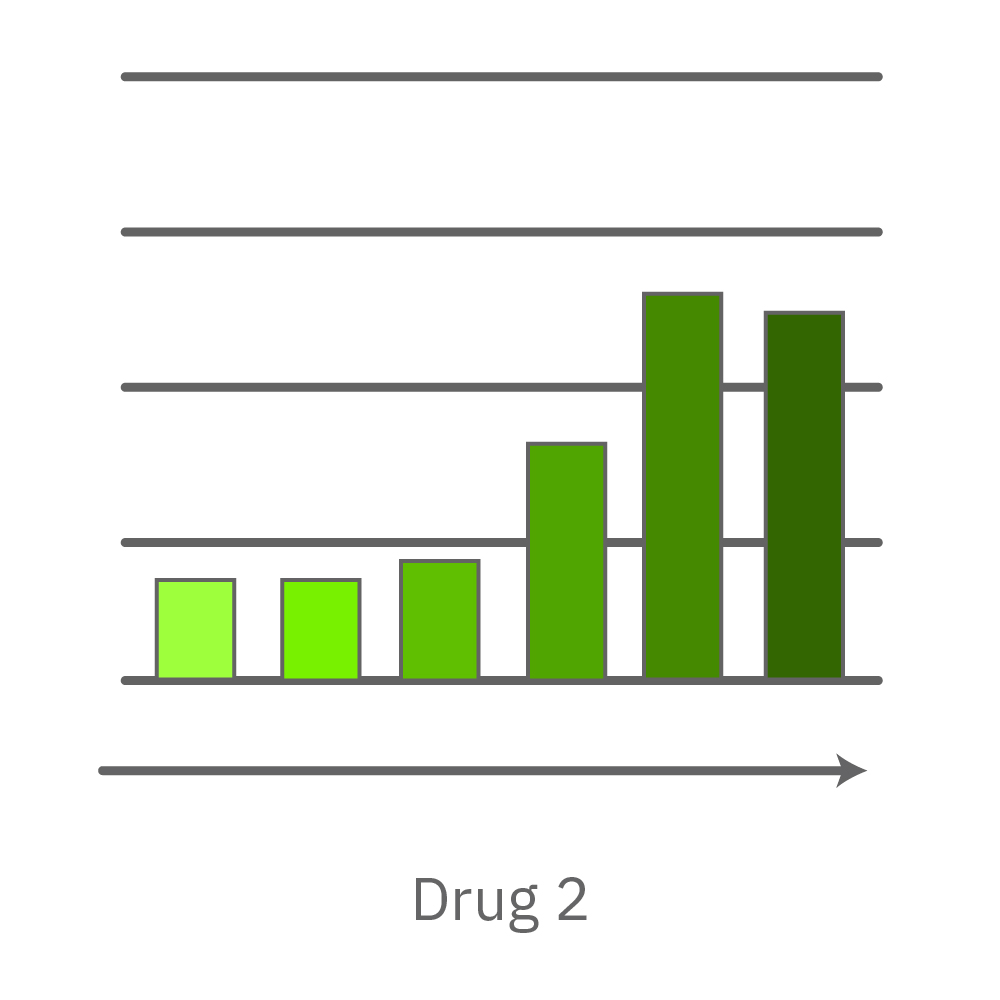
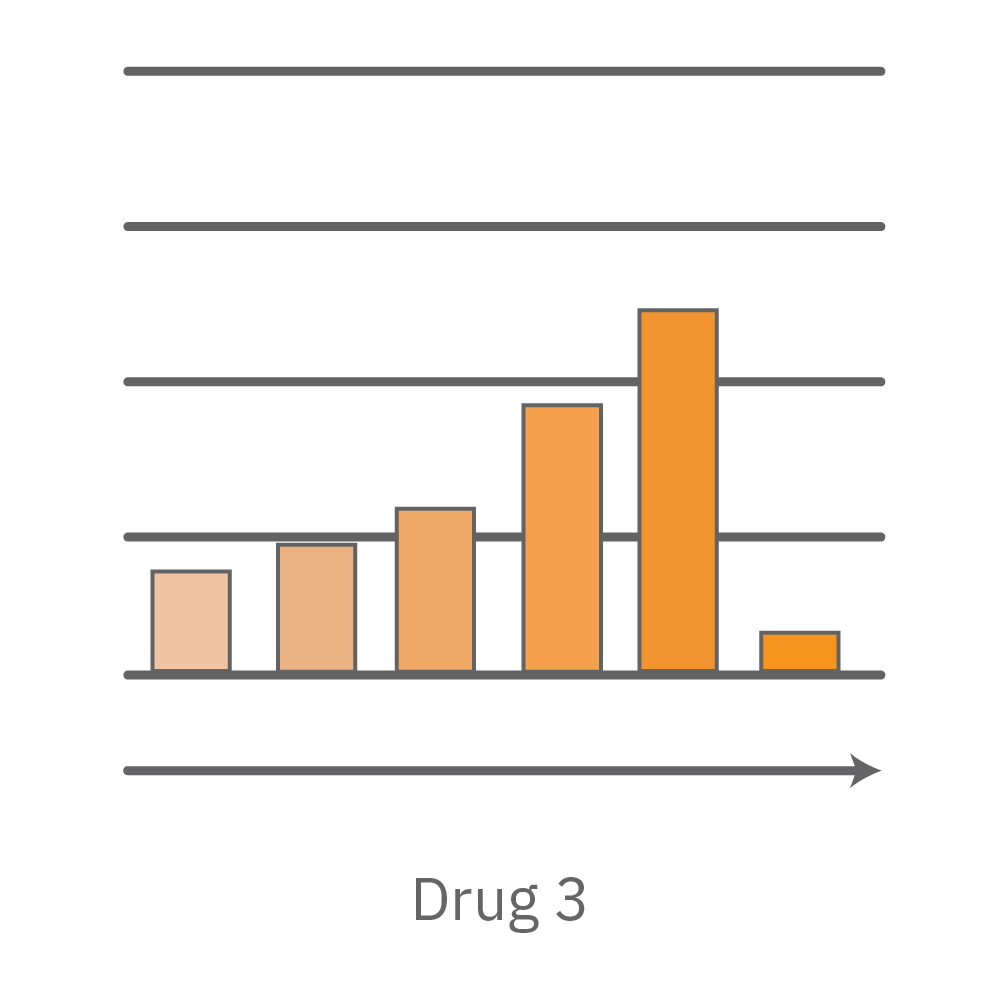
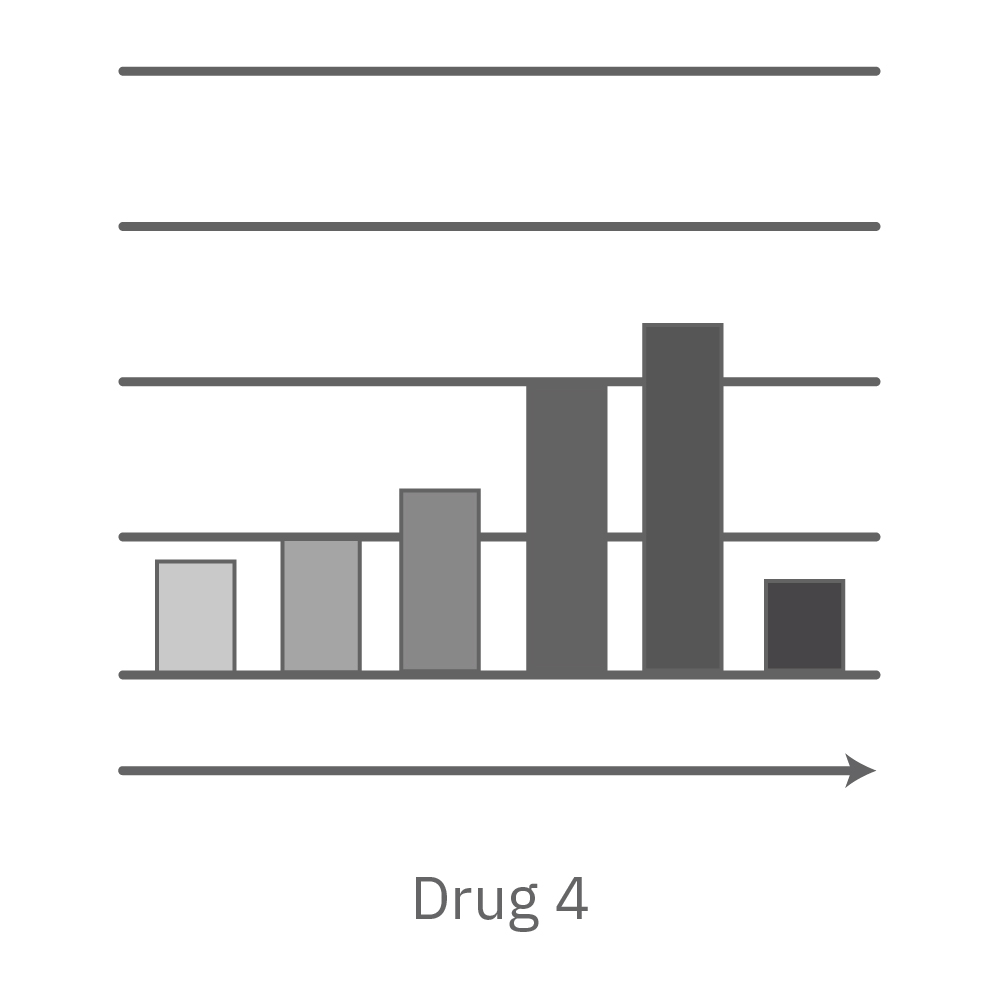
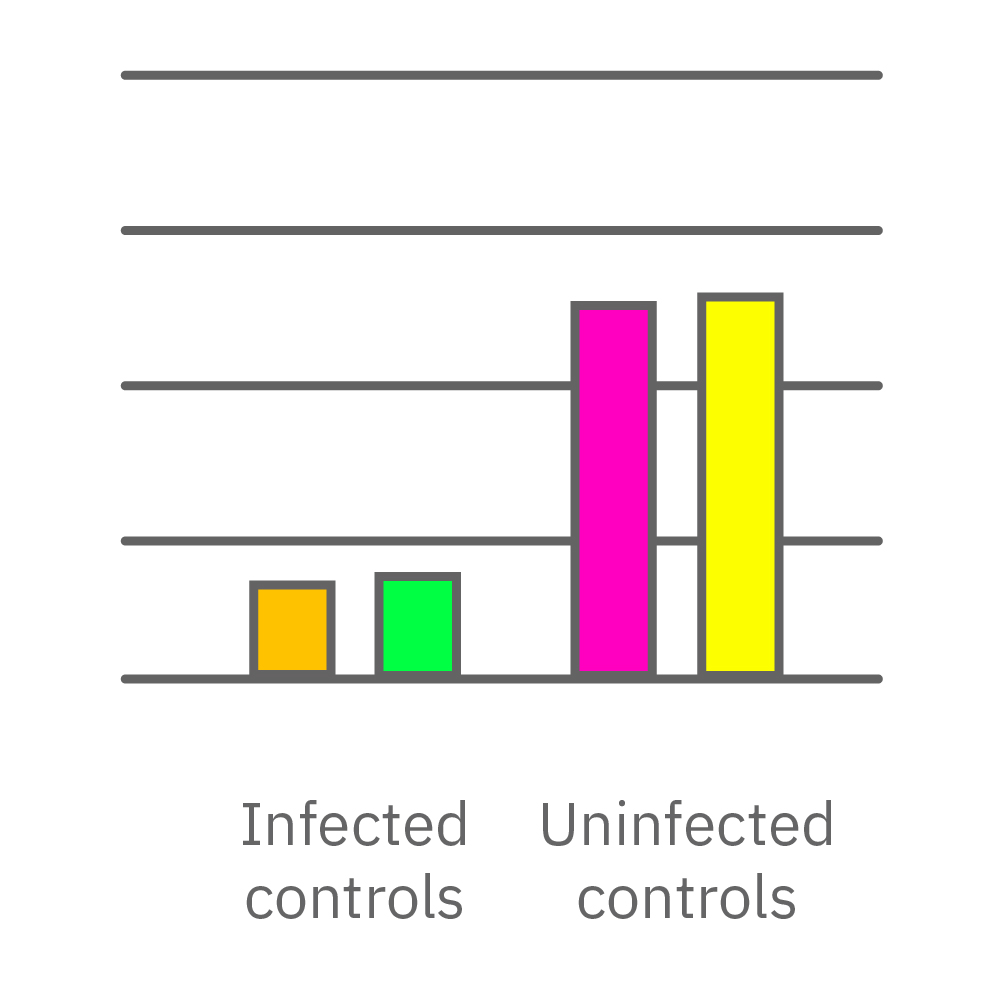
Vero E6 cells were seeded into the CytoView-Z 96-plate and impedance was continuously monitored on the Maestro Z system. After 24 hours, test compounds and SARS-CoV-2 were added. Antiviral drugs resulted in a dose dependent decrease in cell death in the presence of virus with the exception of Drugs 3 and 4 at their highest concentrations, likely due to their own toxicity. Infected and uninfected wells show low and high impedance values, respectively.
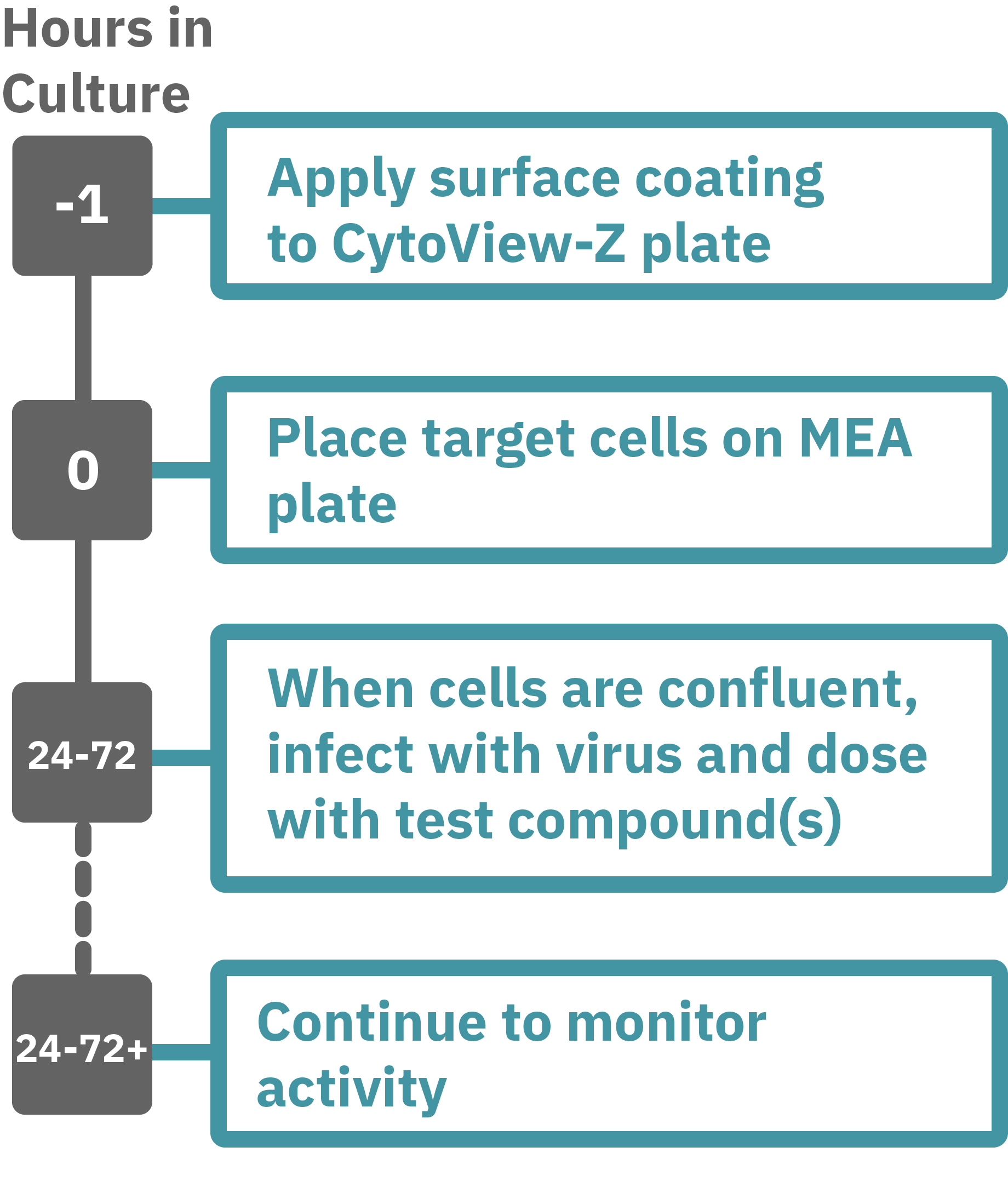
Seed cells in a CytoView-Z plate and allow the culture to establish a stable impedance baseline. Add virus and treatment when appropriate for your model, then continuously monitor changes in cell attachment, morphology, viability, and CPE. Automated measurements reduce handling while capturing the complete response between infection and endpoint.
Your endpoint may be established. But what happened before it?
Endpoint assays remain essential tools in virology. But a single measurement only captures the state of the experiment at one moment in time.
Viral infection and antiviral responses are dynamic. Cytopathic effects may begin earlier or later depending on the virus, cell model, MOI, and treatment. Two compounds can produce similar endpoint results while producing very different response trajectories.
Continuous impedance monitoring adds the missing temporal dimension. Maestro Z follows the same cells throughout the experiment, showing when CPE begins, how rapidly it develops, whether a treatment delays or prevents damage, and whether protection is sustained.
Endpoint assays tell you what happened.
Kinetic assays reveal how it happened.
| Endpoint Measurement | Continuous Impedance |
| Measures a selected timepoint | Monitors the full response over time |
| Requires the correct endpoint to be chosen in advance | Reveals when meaningful changes occur |
| Additional timepoints may require additional samples or plates | Follows the same culture continuously |
| Shows the magnitude of response at endpoint | Shows onset, rate, magnitude, and durability |
| Can require destructive reagents | Label-free and non-destructive |
| Often requires additional data processing | Analysis is integrated into the software |
Key advantages for antiviral and CPE assays

Follow the full antiviral response
Continuously monitor the same cells to see when CPE begins, how rapidly it progresses, and whether treatment prevents, delays, or reduces cellular damage.

Reduce hands-on intervention
Collect label-free measurements automatically without repeatedly disturbing the culture, helping maintain consistent experimental conditions throughout the assay.

Scale to more candidates
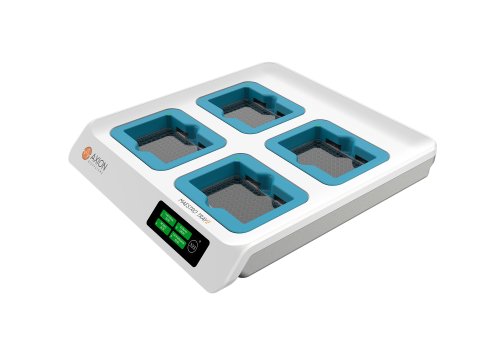
With Maestro TrayZ, monitor up to eight 96-well plates simultaneously for higher-throughput antiviral screening and concentration-response studies.

Analyze results without building the workflow in Excel
Integrated impedance software captures and analyzes kinetic data, reducing manual processing and making it easier to compare treatments, doses, controls, and timepoints.
Need to characterize infection dynamics before evaluating treatment response? Learn how continuous impedance monitoring supports viral titer and MOI studies.
Complement plaque assays, PCR, imaging, and endpoint viability assays
Plaque assays, PCR, imaging, and endpoint viability assays answer important questions about viral infectivity, replication, and cellular response. Maestro Z adds continuous functional information about how the host-cell response develops over time.
Kinetic CPE measurements can help researchers identify informative timepoints, distinguish treatment protection from compound toxicity, and determine whether reduced viral burden corresponds with preservation of the cell layer.
Use impedance alongside established methods to add temporal context without replacing the assays your lab already relies on.
What can you measure with a kinetic antiviral assay?

When does viral-induced CPE begin?
Identify the onset and rate of cellular damage after infection.

Does the treatment prevent or delay CPE?
Separate sustained protection from temporary or delayed effects.

How potent is the antiviral response?
Compare concentration-dependent treatment effects and calculate potency metrics.

Is the compound itself cytotoxic?
Compare treatment-only and infected conditions across the experiment.

When should downstream assays be performed?
Use kinetic data to identify informative timepoints for PCR, imaging, plaque assays, or other analyses.
Continuous measurements without repeatedly handling your cells
Continuous impedance measurements reduce the need to repeatedly move plates between instruments during an experiment. With the Maestro Z App, researchers can view real-time assay data remotely from a smartphone or desktop, check experiment progress, and monitor system conditions without entering the lab simply to inspect the run.
Support structured and regulated workflows
For organizations operating under rigorous protocols, compatible Maestro Z software options support standardized workflows, controlled data management, and reproducible analysis. GxP-oriented software capabilities can help teams integrate kinetic impedance measurements into regulated research environments.
Support regulated workflows when needed
Explore the Maestro Z family
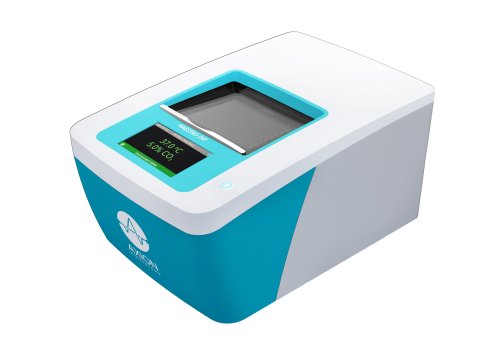
Choose an impedance platform that fits your antiviral assay needs, from focused assay development to higher-throughput screening.
Frequently asked questions about impedance anti-viral drug assays
A cytopathic effect, or CPE, assay measures cellular changes caused by viral infection. Depending on the virus and host-cell model, these changes can include altered morphology, loss of adhesion, disruption of a cell monolayer, or cell death. Impedance-based assays detect these changes continuously by monitoring the electrical properties of cells growing on embedded electrodes.
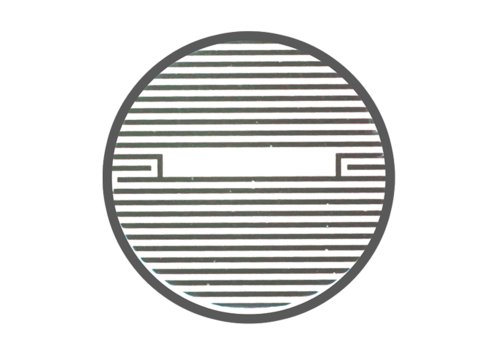
Cells are cultured on electrodes embedded in CytoView-Z plates. Maestro Z applies a small, noninvasive electrical signal and measures impedance. As adherent cells attach and spread, impedance generally increases. When viral infection causes cells to change morphology, detach, or die, impedance changes accordingly, allowing CPE to be tracked continuously.
A single endpoint shows the response at one selected time. Continuous measurements reveal when CPE begins, how rapidly it progresses, and whether antiviral protection is sustained. This can distinguish treatments that produce similar results at the endpoint but different response trajectories.
Yes. Because the same cell culture is monitored throughout the experiment, researchers can determine whether treatment prevents cytopathic effects, delays their onset, reduces their magnitude, or provides temporary protection followed by later breakthrough.
Yes. Researchers can compare concentration-dependent protection from virus-induced CPE and quantify treatment responses across multiple doses. Continuous measurements also provide information about when treatment effects appear and whether protection persists over time.
Treatment-only controls can be monitored alongside infected cultures. Because measurements are continuous, researchers can observe cellular effects that occur before virus-induced CPE is expected and distinguish those effects from later antiviral responses.
No. Impedance measurements are label-free and non-destructive, allowing the same cell cultures to be monitored repeatedly throughout the experiment without adding detection reagents for each measurement.
Yes. Kinetic impedance measurements can complement plaque assays, PCR, imaging, viability assays, and other established techniques. Researchers can use the kinetic data to identify relevant experimental windows and select informative timepoints for downstream analyses.
Many adherent cell models that produce a stable impedance signal can be evaluated. Suitability depends on the virus-host cell combination, and researchers should confirm that the selected cell model establishes a reproducible baseline and produces a measurable response following infection. Axion's technical teams can help optimize factors such as coating, seeding density, controls, and assay timing.