Authors: Louisa A K Zolkiewski, Kimberly L Rockley, Ruth A Roberts, Hannah G Jennings, Magali-Anne Maizières, Karen Jones, James L McDonagh, Katie Newman, Ed J Griffen, Jessica E Stacey, and Michael J Morton
Toxicological Sciences, 30 July 2026
Human neuronal MEA recordings connect molecular structure and ion-channel activity to seizure-like network phenotypes, supporting design of compounds with reduced CNS liability.
Drug-induced seizures remain an important source of attrition in drug discovery and development, and CNS liabilities may not emerge until relatively late preclinical or clinical testing. Building on a previously developed integrated in vitro seizure liability assay, researchers investigated whether structure-activity relationships could identify chemical features associated with seizure-related ion-channel activity and help guide medicinal chemistry away from those liabilities.
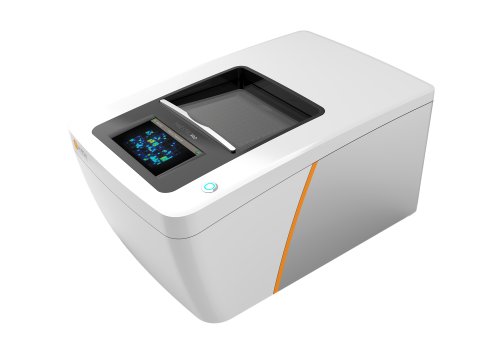
The team screened 88 compounds—including 10 parent molecules and 78 structurally related derivatives—against four human CNS ion channels: NaV1.2, KV2.1, GABAA, and α4β2 nicotinic receptors. The resulting potency profiles revealed structural modifications that increased, maintained, or reduced ion-channel activity and identified pharmacophore features associated with specific CNS liabilities. Selected parent compounds and derivatives were then evaluated in human iPSC-derived neuronal cultures using Axion BioSystems’ Maestro Pro MEA system. MEA recordings showed that changes in ion-channel potency translated into corresponding changes in seizure-like neuronal network activity, including effects on firing, interspike interval, synchrony, and network bursting.
By linking compound structure, human ion-channel activity, and functional neuronal responses, the study demonstrates how an integrated new approach methodology (NAM) can move seizure liability assessment upstream into lead optimization. Rather than simply identifying problematic compounds, the approach could help medicinal chemists recognize high-risk structural features and design compounds with reduced CNS liability before substantial resources are committed to later-stage development.